
Tracing Wetzel County Former Owners
Former owners surface when you follow one parcel through the County Clerk's grantor-grantee index. Begin with the newest deed you can identify. Then copy the earlier deed reference and the grantor named in it. Wetzel County publishes no confirmed oldest online year or image cutoff, so an empty search result is not the end of the story. The steps trace that backward chain in order. The coverage table that follows notes what each local record source offers.
| Backward step | Party to follow | Record clue | Check before moving on |
|---|---|---|---|
| Latest deed | Grantee on the newest located transfer. | Recording date and instrument reference. | Does the description match the parcel? |
| Prior conveyance | Grantor on that deed, now searched as grantee. | Prior deed citation if stated. | Do the parties and land description match? |
| Earlier volume | Next grantee in the chain. | Book, page or microfilm reference. | Has the search reached the confirmed index cutoff? |
| Older record | Party named in the earlier instrument. | County Clerk finding aid or deed book. | Ask the Clerk which older series is held. |
Treat this as a research sequence. It is not a sample ownership history. No party names, prices, or transfer dates belong in it, because every chain must come from the county's own records.
| Source | Years It Covers | Where Held | What It Shows |
|---|---|---|---|
| County Clerk inquiry | Online start and image cutoff not confirmed. | Inquiry portal and courthouse. | Recorded parties, document type and transfer details. |
| Older deed books | Exact beginning and ending years not verified. | County Clerk finding aid or courthouse volumes. | Earlier transfers and deed references. |
| Recorded plats and tax maps | Exact plat runs unknown; 2022 map archive example verified. | County Clerk, Assessor and WV GIS. | Lot, block, survey and parcel context. |
| Birth research index | Wetzel coverage shown for 1797, 1854-63 and 1865-1922. | WV Archives online index. | Genealogy leads, not title or certified proof. |
| Wetzel Independent | Cataloged from 1896 into the early 1900s. | Library of Congress and holding libraries. | Names, public-sale notices and house-history leads. |
Use the County Clerk for transfers. Turn to the Archives or old newspapers for context around a person or place name. A tax map or plat can tie an old description to a present parcel. It never conveys ownership, though. Check a probate file when the chain changes after a death. Keep the source and year beside every name. An archival lead is then never mistaken for a deed.
Wetzel Index Years Remain Unverified
The County Clerk links a public-record inquiry, but the office publishes no earliest index year and no date where scanned images begin. Avoid substituting a nearby county's dates. Never assume every book has an image. Ask the Clerk whether the specific year is indexed, whether the image exists, and which deed book or microfilm reel covers years before the online range. The Wetzel County inquiry portal is the natural first stop. Its fields and login behavior are best confirmed through the Clerk, who can also point a researcher to the public terminal and older finding aids.
A portal view is only a route into the index. It is not proof that a missing online year holds no recorded transfer.
Wetzel Deed Books Before the Web
Exact deed-book start and end dates remain an open question in Wetzel County. Ask the County Clerk for a dated index or finding-aid sheet. Then request the volume, page, or microfilm reel tied to the prior deed citation. Online images may stop. The index may also run older than the portal. The courthouse is the fallback in either case. A recorded-book reference beats a modern street name whenever the address has changed. Historical searches here need a second description check. Old entries may use a metes-and-bounds tract. They may instead name an adjoining owner, a survey, or a lot description. Copy each call and exception from the instrument. Compare it against a current parcel map before drawing conclusions. The map helps locate land; it does not rewrite the older legal description.
Walking Wetzel Deeds Backward
Start with the latest deed and move from grantee to grantor. The grantee received the interest. The grantor conveyed it. Search that earlier grantor as a grantee in the still older instrument, comparing the legal description and parcel context before continuing. The County Clerk's online cutoff is unknown. Note where the chain reaches an older book or microfilm request instead of guessing a date range.
- Find the newest deed that matches the parcel and legal description.
- Record the grantee, grantor, recording reference and prior-deed citation.
- Search the prior grantor as grantee and compare the description in the older record.
- Repeat through the online years; ask the Clerk for books or microfilm when the index ends.
- Grantor
- The party who conveyed the interest named in a deed.
- Grantee
- The party who received that interest.
- Chain of title
- The linked transfers for one described parcel or interest.
- Legal description
- The land description used in the instrument, which can remain useful after an address changes.
Wetzel Land and Mineral History
Wetzel County land books carried three separate sections until 1985. The sections were Land, Royalty or Oil and Gas, and Coal. A West Virginia Supreme Court opinion confirms that arrangement. That split can hide part of the story. A surface chain may look shorter than the full history of every interest. Mineral questions need separate work. Search royalty, oil-and-gas, or coal instruments by party and legal description. Follow assignments and releases in their own series. This is a distinctive Wetzel record clue. It is not a claim that every tract has a split estate. A deed can reserve minerals or describe an interest far different from the house parcel. Keep each chain separate. Ask the Clerk which historical book or index applies. For current copies, the record-type routes sit on the Wetzel County deed records page.
Wetzel Probate Breaks a Chain
A death can move land through an estate rather than a routine sale. Wetzel County Clerk probate requires an appointment and a death certificate to begin. Ask for the decedent’s will or estate file, executor or administrator, approximate death date and legal description. Then search the deed index for an executor’s deed, commissioner’s deed, affidavit or other recorded transfer. If a deed is absent, ask whether the interest passed through another recorded estate instrument.
WV Archives offers a research birth index for Wetzel with 1797, 1854-1863 and 1865-1922 coverage. It can help connect names in an estate file, but it is not a certified record or title proof. The state explains that certified copies follow separate access and ID rules.
View the WV Archives birth index for a genealogical lead.
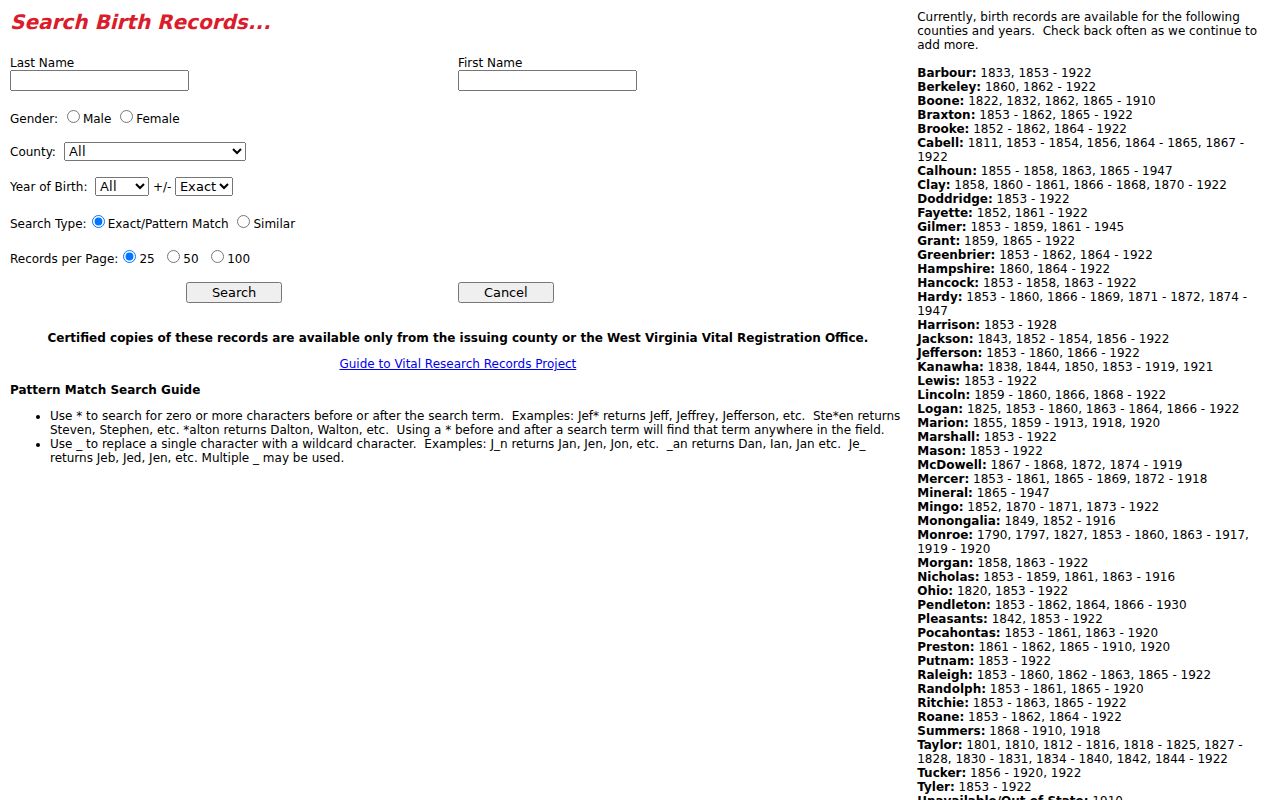
Use an index entry to identify a person or date, then confirm the land transfer in probate and deed records.
The certified-copy request route is separate from the research index. Review WV Vital Registration requirements before ordering a record.
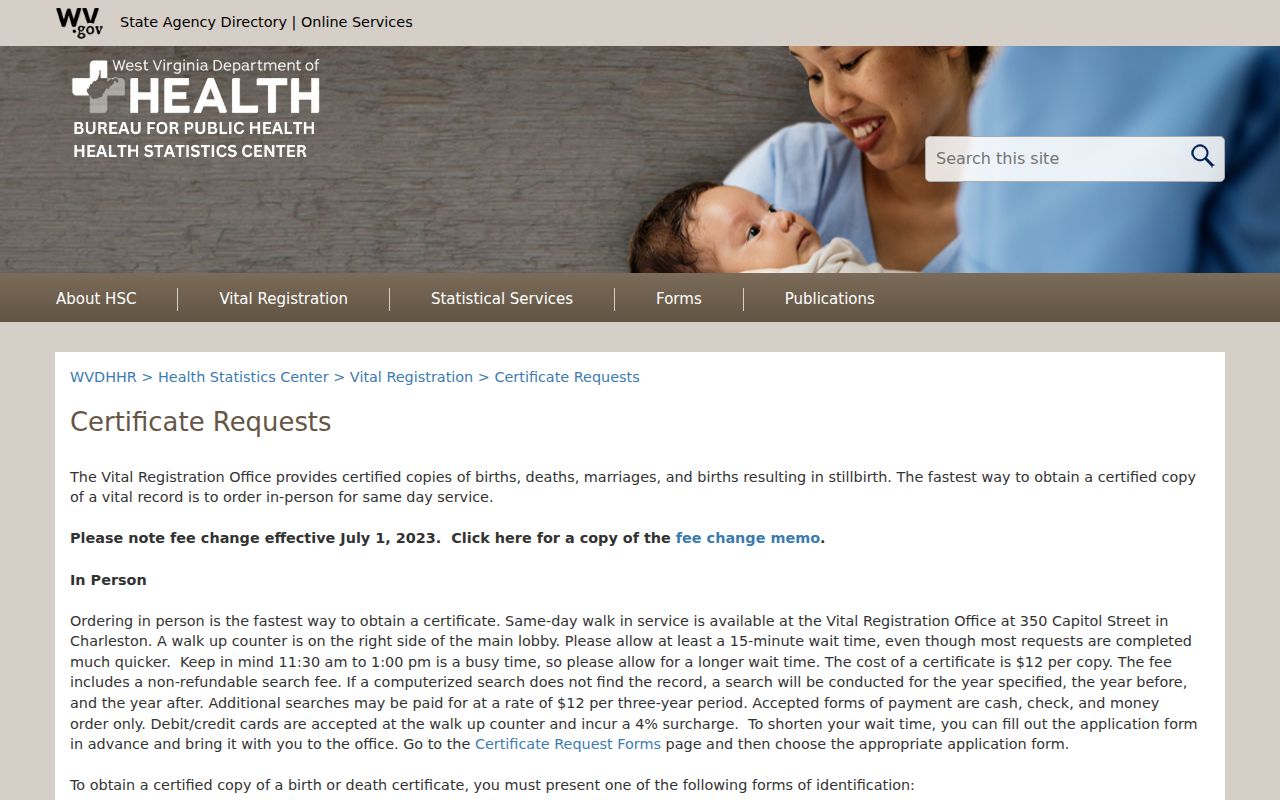
A certified vital record can support an estate inquiry. The deed or probate instrument is what confirms the property transfer.
Wetzel Historic Names and Newspapers
Wetzel County was formed from Tyler County in 1846. The county seat carried the earlier Martinsville name. It became New Martinsville around that same year. Because of that, an old deed, directory entry, or news item may use a place name. That name may differ from a modern address. Search both forms when tracing an older home. Then narrow the record with a street, a parcel number, or a family name.
The Wetzel Independent of Hundred is cataloged by the Library of Congress. The catalog runs from 1896 into the early 1900s. A newspaper notice can reveal a public sale, a trustee, an heir, or a business. Such a business may be tied to a place. WVU's regional history finding aid lists Wetzel newspaper holdings and related materials. Those sources supply house-history clues. But the County Clerk deed, probate file, and tax roll verify who actually held the land.
A newspaper trail helps when the address or the name has changed. Still, a notice is never a substitute for a recorded conveyance.
How Far Wetzel County Deeds Reach
The Wetzel online index has no verified cutoff year. The oldest deed books have no confirmed start year either. Ask the County Clerk for the earliest indexed year. Ask also about the image cutover and any finding aid. A chain may hit a stretch with no web image. In that case, search the older book or microfilm series at the courthouse. An online gap is only a limit of access. It is not proof that a deed or a former owner never existed.
Wetzel's land-book split before 1985 and the county's formation from Tyler County are useful context. Neither one says how far back a title chain goes. The public index is not a title opinion. For a formal transaction, use a qualified title professional. Have that person examine the actual instruments, the legal descriptions, and any exceptions.
Lawful use. Use former-owner research for house history, title questions, estate work and property diligence. Do not use a deed chain or address to track, harass, intimidate or harm a living person.